Product Description
Incremental Optical Rotary Encoders
- Functional Safety Rotary Encoders
- Magnetic Rotary Encoders
- Hall Effect Sensors
- Potentiometers
- Draw Wire Solutions
- Inclinometers
- Electronic Modules
- Swift Comm Wireless Encoder Interface
Encoders convert any position, movement, speed or acceleration into digital information which can be read by a machine controller or a PLC.
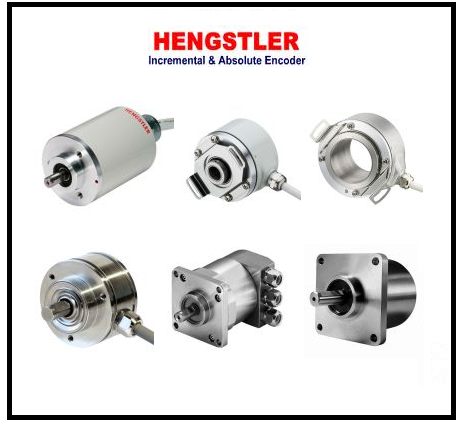
They are available in various types of assembly configuration:
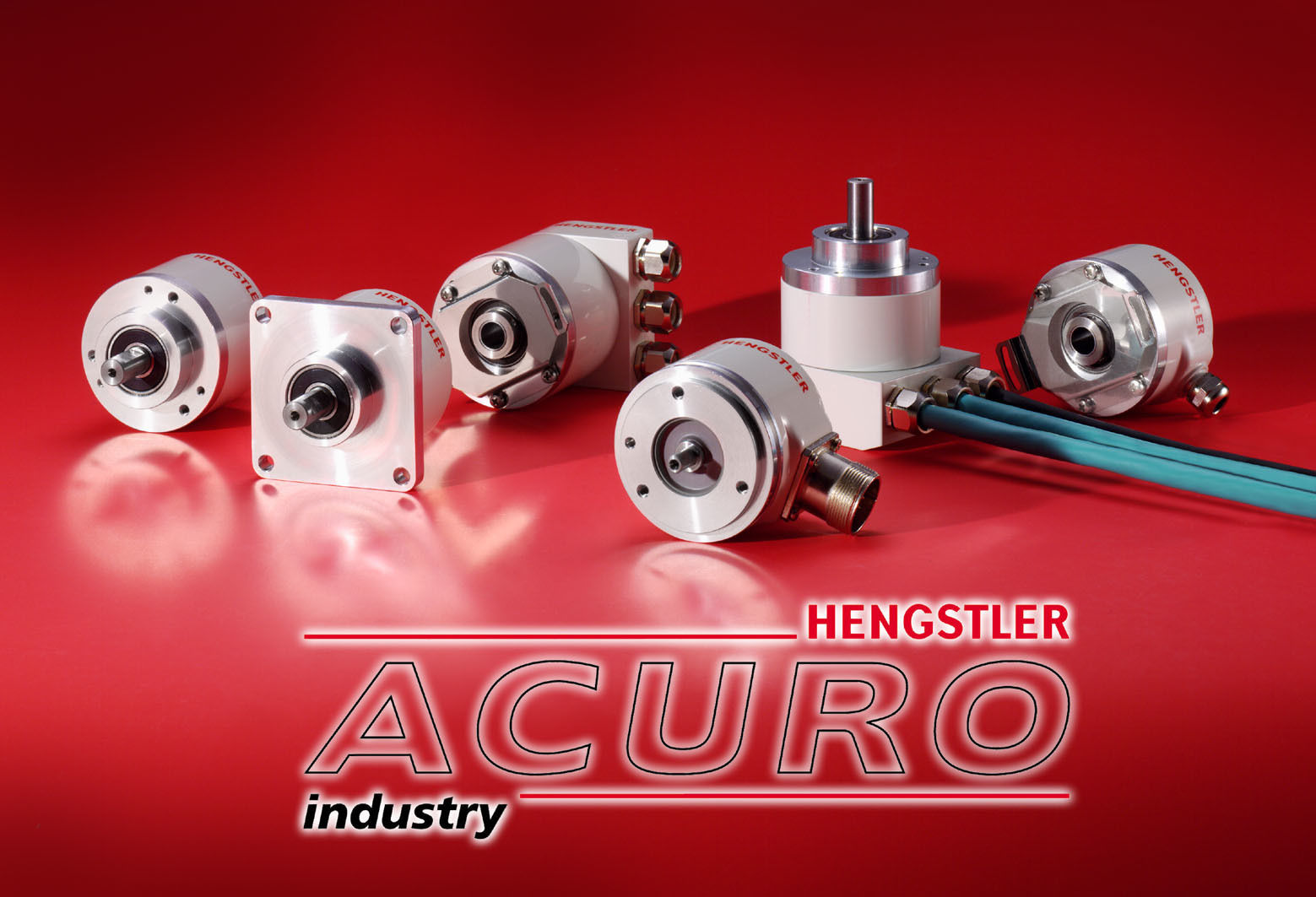
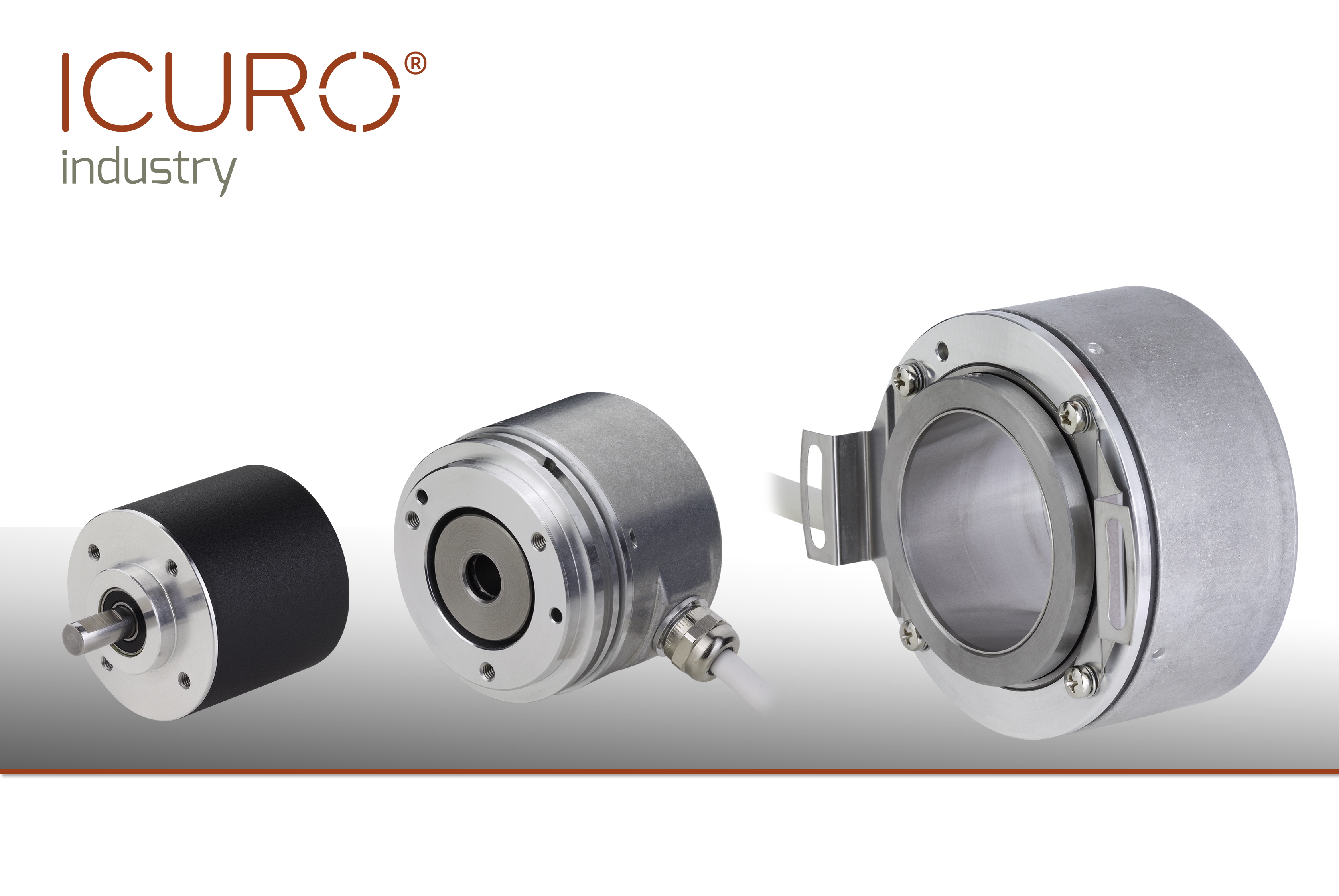
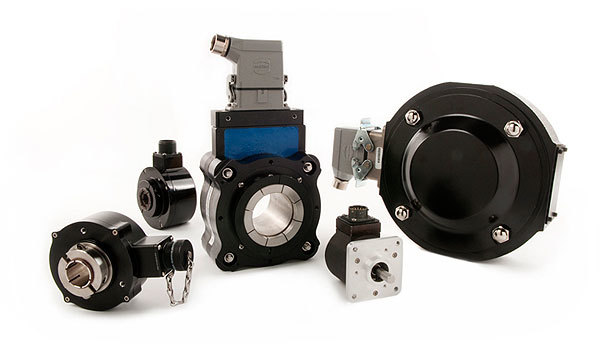
solid shaft
blind shaft
hollow shaft
The ATEX range provides solutions for explosive environments in all of our encoder technologies (incremental, absolute, tachosencoders), with intrinsically safe and explosion proof encoders.
High-Resolution PerformanceFeaturing 1024 pulses per revolution, our incremental encoder ensures precise detection of angular position and speed. This high resolution is essential for applications demanding accurate real-time feedback, particularly in complex automation systems and robotics.
Durable and Reliable ConstructionThe IP65-rated housing, built from aluminum alloy and stainless steel, offers exceptional resistance to dust, water, vibration, and shock. Designed for tough industrial environments, the encoder provides consistent operation even under harsh working conditions.
Flexible Output and Signal CompatibilityThis encoder supports both push-pull and open-collector output types and is fully compatible with TTL/HTL signal levels. The three-channel output allows seamless integration into various digital control systems, maximizing operational flexibility.
FAQ's of incremental encoder:
Q: How does the incremental encoder provide precise speed and position feedback?
A: The encoder utilizes optical sensing with an infrared LED and delivers 1024 pulses per revolution through A, B, and Z channels. This configuration allows accurate digital readout of rotational speed and position for industrial controls and automation.
Q: What are the benefits of the IP65 housing and rugged design?
A: The IP65 housing ensures protection against dust and water ingress, while sturdy aluminum alloy and stainless steel materials guard against mechanical stress, providing reliability and extended service life, especially in demanding industrial settings.
Q: When should I choose TTL or HTL-compatible output signals for the encoder?
A: TTL output is suitable for applications requiring fast, low-voltage digital transmission, while HTL is ideal for high voltage and longer cable runs in noisy environments. Selection depends on your control system and signal integrity needs.
Q: Where can the incremental encoder be installed, considering mounting and connectivity?
A: Thanks to flange and clamp mounting options and a 2-meter shielded PVC-insulated cable, the encoder can be easily installed on various shafts and machinery in industrial automation, robotics, and production lines.
Q: What process is involved in integrating the encoder with automation systems?
A: Integration involves mechanically securing the encoder via its flange or clamp, electrically connecting its shielded cable to the digital controller, and configuring signal channels A, B, and Z for correct position and speed feedback.
Q: How is the encoder protected against vibration and shock during operation?
A: Engineered with resistance to vibration (10-2000 Hz, 10g) and shock (100g, 6ms), the encoder maintains stable performance by using high-quality bearings and robust housing, ensuring accurate data transmission in dynamic environments.







 Send Inquiry
 Send Inquiry
 Send SMS
 Call Me Free